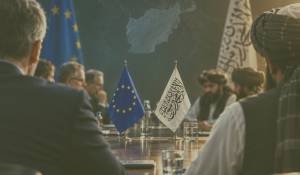
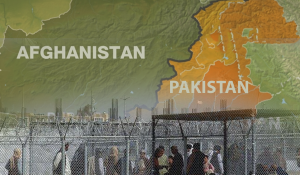
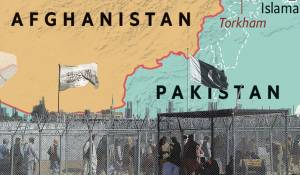
Following diplomatic efforts in Doha and Istanbul in late 2025, and a subsequent Saudi-led initiative, Pakistan and Afghanistan held a third round of largely discreet negotiations in Urumqi, Xinjiang, aimed at easing severe border tensions. The talks, described by China's foreign ministry spokesperson as "informal," ran from April 1 to 7 and were mediated by Beijing, marking a renewed push for regional stability.
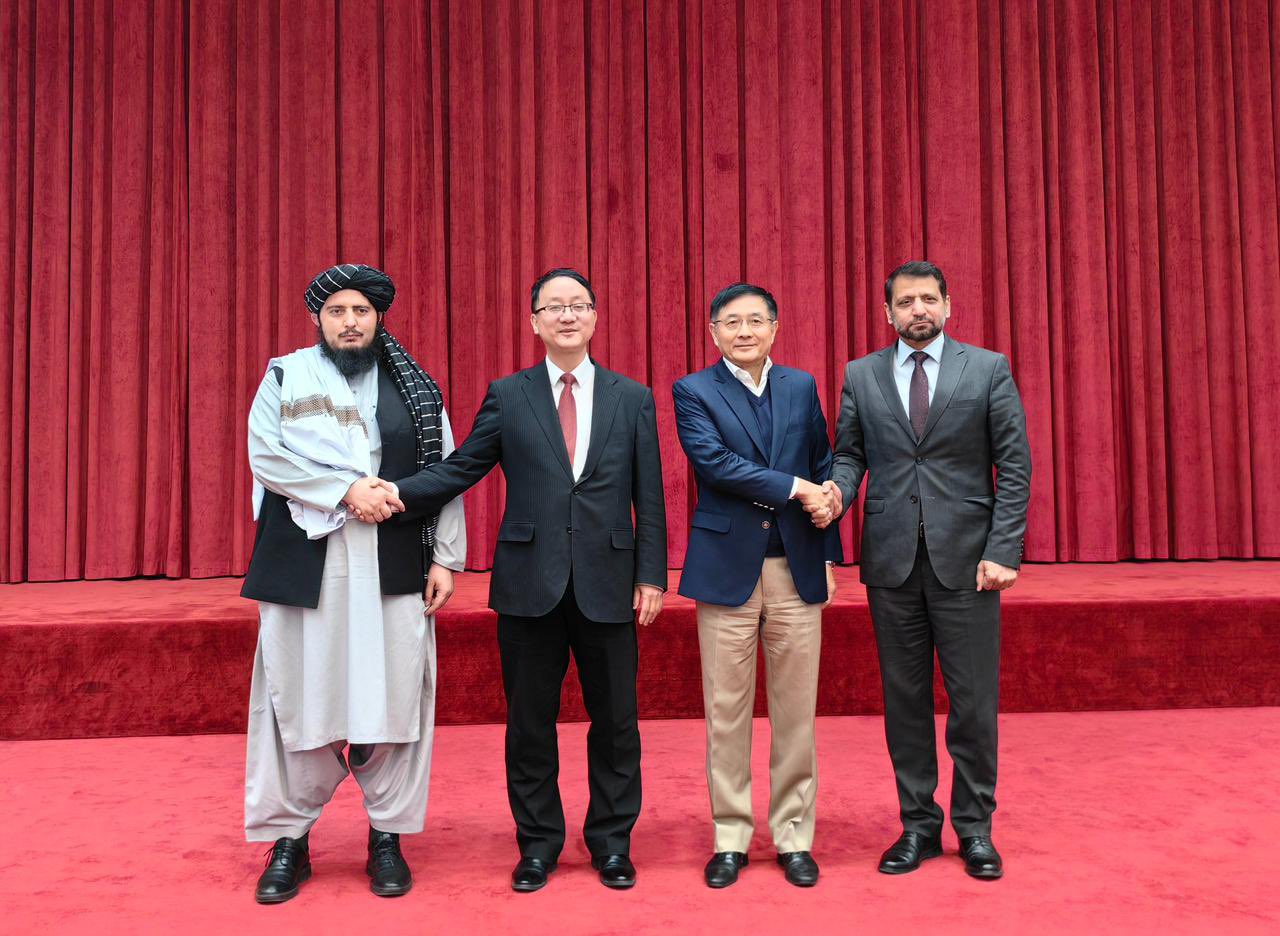
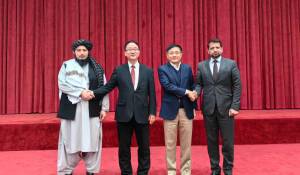
Chinese Foreign Ministry spokesperson Lin Jian announced the consultations in an official statement posted on X, accompanied by photographs showing representatives from all three countries. Among those pictured were Chinese Special Envoy on Afghan Affairs Yue Xiaoyong, Pakistan's Additional Secretary at the Ministry of Foreign Affairs for Afghanistan Syed Ali Asad Gillani, and Afghanistan's Ministry of Foreign Affairs representative Maulavi Muhibullah Waseeq, along with officials from defence and security agencies.
According to Lin, both the Afghan and Pakistani sides reiterated their commitment to addressing differences, working toward a turnaround in bilateral relations, and pledging to refrain from actions that could further escalate or complicate the volatile situation.
The Urumqi consultations follow months of severe military escalation, particularly since Pakistan launched operations against alleged militant hideouts in Afghanistan in late February. Despite the tense backdrop, this Chinese-facilitated dialogue represents a major, albeit cautious, step toward de-escalation, with both sides reportedly exploring a "comprehensive solution" to the ongoing conflict.
"The Afghan and Pakistani sides reiterated that they stay committed to resolving differences as soon as possible," Lin said in his post.
"The three sides agreed to discuss a comprehensive plan to resolve issues in the relations between Afghanistan and Pakistan and identified the core and priority issues. All sides believed that the Urumqi process is substantive and agreed to maintain communication and dialogue," he added.
China traditionally does not involve itself in negotiations unless it has some assurance of achieving results. The Urumqi talks hold more potential for success than previous processes led by Qatar, Turkey, and Saudi Arabia for several reasons. Beijing occupies a stronger position than previous mediators, both geographically, as a neighbour to both Pakistan and Afghanistan, and diplomatically, carrying considerable global and regional influence as a major power.
Economically, China is better positioned to offer financial assistance to the Taliban should they agree to a deal with Pakistan. Beijing and Islamabad have already announced the extension of the China-Pakistan Economic Corridor (CPEC) to Afghanistan, a decision made at the Sixth Trilateral Foreign Ministers' Dialogue held in Kabul on August 20, 2025. That dialogue was attended by Pakistan's Foreign Minister Ishaq Dar, Chinese Foreign Minister Wang Yi, and Afghanistan's Acting Foreign Minister Amir Khan Muttaqi, with the aim of boosting trade, transit, and development opportunities for Afghanistan by linking it more closely with regional markets.
Yet just as the Chinese-led initiative carries immense significance, its potential failure poses an even greater risk. A breakdown would leave both countries entrenched in perpetual conflict, drastically affecting not only the two nations but the stability of the broader region and beyond.
Two significant indicators suggest that both Pakistan and Afghanistan have expressed interest in mending their severely strained ties.
First, despite the Tehreek-e-Taliban Pakistan's (TTP) threats of large-scale attacks in defence of the Islamic Emirate of Afghanistan following Pakistan's military operations and subsequent air strikes, the expected surge in violence did not materialise. In fact, TTP attacks inside Pakistan have notably decreased in recent weeks. According to informed sources, the Afghan Taliban have advised the Pakistani Taliban to refrain from escalating the situation, allowing space for a potential rapprochement.
Secondly, on the Pakistani side, although the operation against the Afghan Taliban has officially resumed after the conclusion of the ceasefire for the Eid holidays, there have been no major incidents of Pakistani cross-border strikes. These indicators point to a willingness on both sides to de-escalate tensions and explore peace, which is another encouraging sign for the peace process currently led by China.
These indicators point to a willingness on both sides to de-escalate tensions and explore peace, an encouraging sign for the China-led process. China's mediation between Pakistan and Afghanistan is born of necessity. Unlike previous mediators, Beijing is directly affected by violence originating in both countries and has, in fact, become a major victim of it.
In recent years, former affiliates linked to the TTP have targeted and killed more Chinese nationals in single attacks than Baloch armed separatists have in years of operations across Balochistan and Sindh. In July 2021, an attack in Dasu, Kohistan, killed nine Chinese engineers working on the Dasu Dam project. In March 2024, a suicide bombing in Besham, Shangla, in Khyber Pakhtunkhwa, killed at least five Chinese citizens. Additionally, in April 2021, a car bomb exploded at the Quetta Serena Hotel, where the Chinese ambassador was staying, though he was not present at the time. The TTP claimed responsibility, stating it had targeted Pakistani officials and was unaware of the ambassador's presence.
Baloch militant groups not only target Chinese nationals but also consistently attempt to disrupt Chinese-linked development projects, including CPEC. Attacking these projects remains central to their anti-China narrative, which focuses on economic grievances and perceived exploitation.
Beyond the attacks inside Pakistan, China also faces a persistent threat from Islamic State Khorasan Province (ISKP) in Afghanistan. While ISKP operations have resulted in fewer casualties than those perpetrated by groups in Pakistan, as seen in the January 2026 attack on a Chinese restaurant in Kabul, the group remains a significant global non-state actor waging a sustained media campaign to incite violence against China. This propaganda could escalate the threat level, potentially resulting in attacks extending beyond Afghanistan into Pakistan, Central Asia, and China's Xinjiang province.
The stakes for Beijing in fostering peace between Pakistan and Afghanistan are too significant to allow for prolonged inattention. Baloch militant outfits and TTP factions now pose a threat to Chinese interests as lethal as that of its traditional adversaries, the East Turkistan Islamic Movement (ETIM) and the Turkistan Islamic Party (TIP). The outcome of the Urumqi process remains uncertain, but the convergence of Chinese strategic interests, economic leverage, and both parties' apparent willingness to de-escalate has created conditions more favourable to progress than any previous mediation effort.