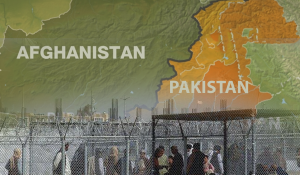
The latest escalation between Pakistan and Afghanistan marks one of the most serious confrontations between the two neighbours in decades, with cross-border strikes penetrating deep into Afghan territory in a manner rarely seen since both states emerged as independent entities. What has unfolded is not simply another episode of border tension but a conflict rooted in a far more complex historical and geopolitical context.
The relationship between Pakistan and Afghanistan has rarely functioned as a purely bilateral one. Efforts over the past decade to shift the relationship toward greater interdependence have largely failed, in part because the region’s strategic environment remains heavily shaped by historical great-power rivalries and long-standing geopolitical suspicions. The shadow of past entanglements continues to influence present decisions, making it difficult for both countries to move beyond inherited grievances and strategic mistrust.
Historical precedents illustrate how deeply rooted these patterns are. Between 1839 and 1947, the British conducted sixty-three punitive expeditions along the western frontier. The period remains one of the most complex phases in British military history after the War of Independence in 1857. British assessments at the time attributed the recurring unrest to three principal factors: alleged tribal instigation by Afghan ruler Emir Abdur Rahman Khan, the spread of improved firearms that altered the battlefield balance, and propaganda claiming that British forces were aligned with Christian powers against the Ottoman Empire.
Nearly eight decades after the creation of Pakistan, the strategic pattern appears strikingly familiar. While the actors have changed, the dynamics remain similar. Today, the roles are occupied by the Taliban, modern NATO-origin equipment left in Afghanistan, and the lingering strategic footprint of the United States.
Escalation Along the Border
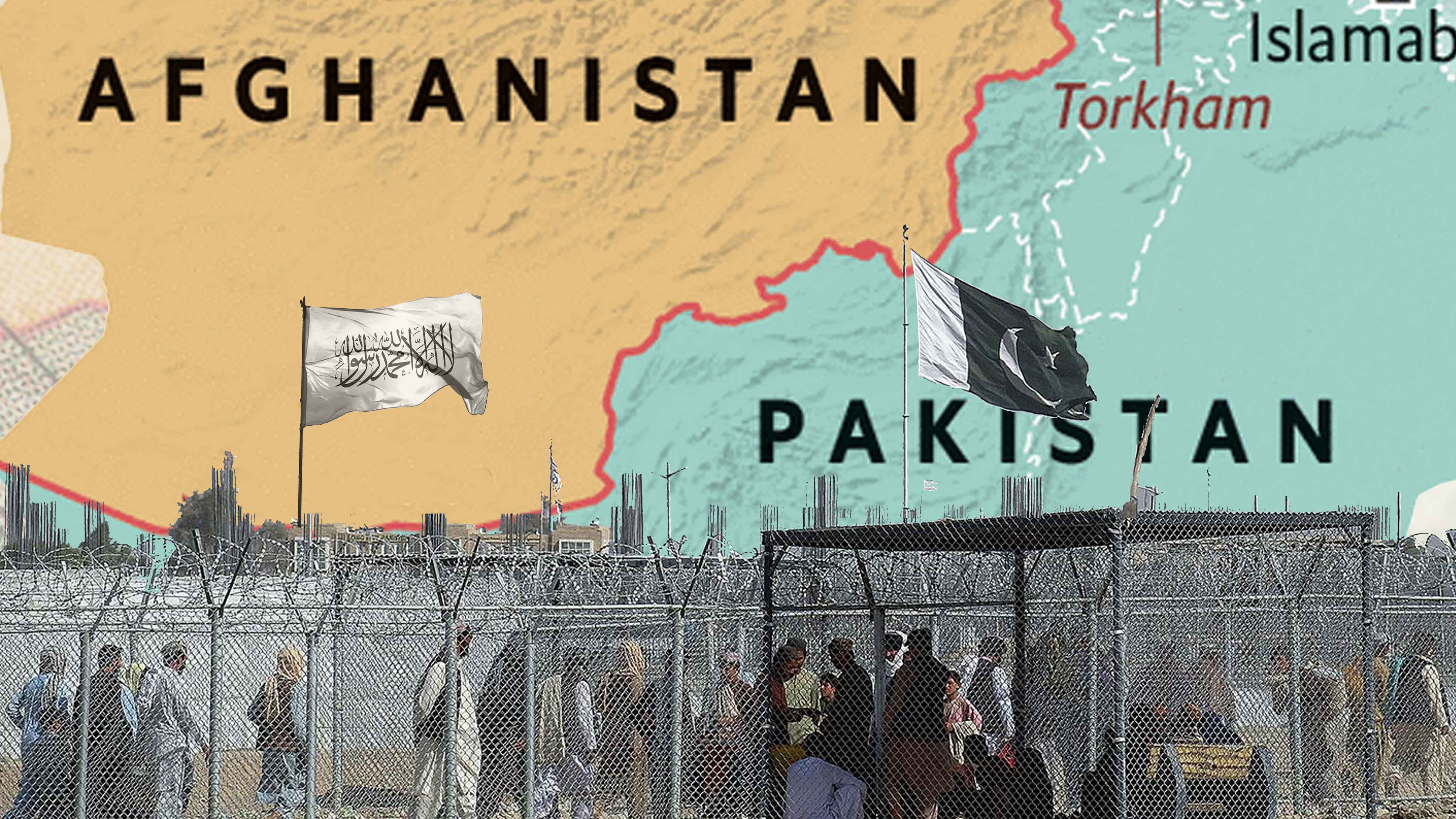
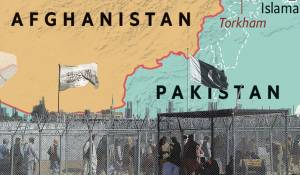
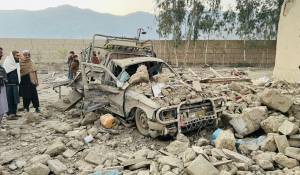
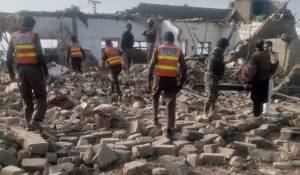
The current crisis intensified after cross-border engagements began on February 21, 2026, marking a shift from persistent border friction to overt military confrontation. The escalation followed Pakistani Air Force strikes inside Afghanistan targeting suspected Tehreek-e-Taliban Pakistan (TTP) sanctuaries in response to a series of attacks inside Pakistan.
By February 27, Pakistan had formally declared what officials described as “open war,” signaling a doctrinal shift toward pre-emptive cross-border force projection against militant groups operating from Afghan territory.
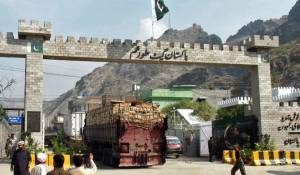
Pakistan holds a clear advantage in conventional military capabilities. Its forces possess stronger command structures, advanced surveillance and communication systems, and superior conventional weaponry, including artillery, mortars and air power. Along the western border, fortified posts, fencing infrastructure and improved logistical support further strengthen Pakistan’s operational posture.
| Pakistan’s deep strikes into Afghanistan mark a dramatic shift from border tensions to open confrontation, reshaping the region’s strategic landscape. |
These advantages have allowed Pakistan to shape the conflict around conventional engagement, a domain where it holds a decisive edge. Afghan Taliban forces, by contrast, rely largely on irregular warfare tactics and lack comparable conventional military capacity.
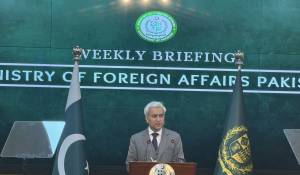
The disparity has translated into significant damage to Afghan military infrastructure along parts of the western border. At the same time, the conflict is being accompanied by an intense narrative battle. Pakistan presents its campaign as a counterterrorism effort targeting TTP sanctuaries, while Afghan authorities frame the strikes as violations of national sovereignty.
Tactical Gains, Strategic Risks
Pakistan’s strategy of cross-border strikes aims to dismantle TTP leadership networks and disrupt militant supply chains. In the short term, such operations can reduce militant operational tempo and degrade insurgent capabilities.
However, historical precedents suggest that cross-border operations may also carry significant risks. Similar campaigns in the past have triggered retaliatory mobilisation among militant factions and strengthened anti-Pakistan alliances among Afghan groups. Without parallel diplomatic engagement, tactical successes could translate into longer-term strategic setbacks if insurgent violence intensifies within Pakistan.
Pakistan’s decision to draw Afghanistan into a conventional battlefield reflects an attempt to exploit its military strengths. At the same time, the Taliban’s experience lies primarily in guerrilla warfare, suggesting that the conflict could evolve into a more protracted and asymmetric struggle. At the same time, Afghan Taliban can leverage their influence on armed non-state actors in Pakistan to compensate for their inferior conventional capabilities, thus destabilising border areas in KP and Balochistan and, potentially, facilitating attacks in urban areas of Pakistan.
The Pakistani state has remained unhindered in its decision despite calls from factions of the Pakistani Taliban to wage war against the state. However, the absence of immediate large scale urban violence inside Pakistan does not signal an end to hostilities. The conflict carries longer-term implications for regional stability.
Diplomatic Breakdown and Regional Pressures
Before resorting to military action, Pakistan had attempted several diplomatic measures aimed at pressuring the Afghan Taliban to curb TTP activity. These included border closures, the repatriation of Afghan refugees in large numbers, and repeated diplomatic engagement.
Those efforts failed to produce the desired outcome. Afghan authorities have largely rejected Pakistan’s accusations or downplayed them, reinforcing the perception in Islamabad that diplomatic pressure alone would not force policy changes.
The broader regional environment is also shifting. Supply routes and economic flows into Afghanistan have become more uncertain due to wider geopolitical tensions, including conflict dynamics affecting Iran and parts of the Middle East. With several traditional financial backers facing their own strategic pressures, Afghanistan’s economic vulnerabilities may deepen if the conflict continues.
An Uncertain Path Forward
The confrontation has already altered the strategic landscape of the Pakistan–Afghanistan relationship. What began as a counterterrorism dispute has escalated into a broader geopolitical standoff with implications for regional security.
Whether the situation evolves into a prolonged confrontation or returns to a tense but controlled status quo will depend on how both sides manage the next phase of the crisis. The immediate escalation may have already occurred, but the long-term consequences will ultimately shape the future trajectory of relations between the two neighbours.