The Afghan Taliban have increasingly focused on developing domestic capabilities for unmanned aerial vehicles (UAVs), commonly known as drones, as part of their broader strategy to modernise military operations.
Ahmadullah Muttaqi, head of the Taliban’s Ministry of Information and Culture in Herat, released a detailed report claiming that the Taliban government has established local facilities for the production, repair, and maintenance of drones and other weapons.
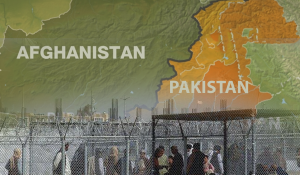
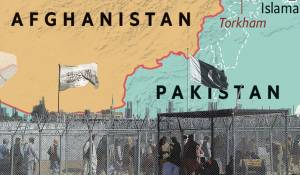
These developments are intended to enhance operational self-sufficiency, reduce reliance on imported equipment, and strengthen military readiness along strategic border regions. Drones have become a central component of the Taliban’s tactical operations, particularly in contested areas along the border with Pakistan. Short-range UAVs are employed for surveillance, intelligence gathering, and limited strike missions.
Local production and maintenance allow the Taliban to sustain prolonged operations, respond quickly to threats, and maintain flexibility in border defence strategies. These UAVs provide a cost-effective and adaptable tool for asymmetric warfare, demonstrating the increasing role of unmanned aircraft in Afghan conflict dynamics.
According to the report, the Taliban has integrated domestic drone capabilities with upgraded air defence systems. Reactivated systems, including long-range equipment capable of targeting fighter jets and surveillance drones, have been deployed in Kabul and along the border with Pakistan. This combination of drones and modernised defence technology allows the group to monitor aerial threats more effectively and enhances their operational capacity in key regions.
The Taliban emphasize that these measures reflect a broader commitment to strengthening internal military-industrial capabilities, enabling them to operate independently of foreign support. Several military supply and technical service centres have been established to provide logistical support for light and heavy weapons, armoured vehicles, and maintenance operations. Multiple weapons and ammunition factories have also been set up in various provinces, producing small arms, heavy weapons, and munitions locally.
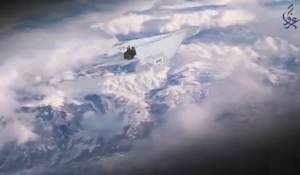
These facilities aim to shorten supply chains, increase operational efficiency, and reinforce the self-sufficiency of the Taliban’s forces. While some visuals in the report were artificially generated or sourced from foreign images, the initiative highlights the group’s growing domestic technological capacity.
Certain Russian technologies, including guidance systems, electronic components, and air defence equipment, have been refurbished and reactivated. These systems reportedly operate both in Kabul and along Afghanistan’s border areas, enhancing the Taliban’s ability to monitor and respond to aerial threats, particularly from Pakistan. By integrating drones with upgraded air defence, the Taliban claim to have significantly strengthened their operational readiness. Short-range UAVs are coordinated with local units to conduct reconnaissance and precision attacks, reflecting a low-cost, asymmetric warfare strategy.
This emphasises the growing role of drones as an integral part of Taliban military operations, particularly in contested regions. Local production and maintenance of drones allow the Taliban to maintain operational flexibility and reduce logistical vulnerabilities.
No Confirmed Foreign Procurement Contracts
Despite speculation of informal reports, there is no verified evidence that the Taliban has signed formal contracts with other countries, including Russia or Turkey, for military drones. While diplomatic interactions exist between the Taliban and various states, these relate primarily to political recognition or regional discussions rather than documented arms deals.
Informal exchanges of technology or knowledge may occur, but they are not equivalent to confirmed procurement contracts for drone systems.
Growing Domestic and Regional Interest
The Taliban appear to be focusing on developing indigenous capabilities by reverse-engineering captured systems or acquiring components through local markets. Civilian-grade drones can be modified for surveillance or carrying small payloads, and similar adaptations have been observed in other conflict zones. Areas under Taliban influence, particularly in western and northern Afghanistan, may serve as testing grounds for experimenting with autonomous or remotely controlled aircraft.
This expansion of domestic drone and weapons facilities signals a significant shift toward self-sufficiency in Taliban military operations. By producing, maintaining, and deploying drones and air defence systems internally, the group seeks to strengthen operational independence, enhance border security, sustain ongoing military operations, and reduce dependency on external sources.
The integration of drones with upgraded air defence systems represents a notable step in modernizing Taliban's tactical approaches and expanding their capacity to respond to threats along strategic regions.