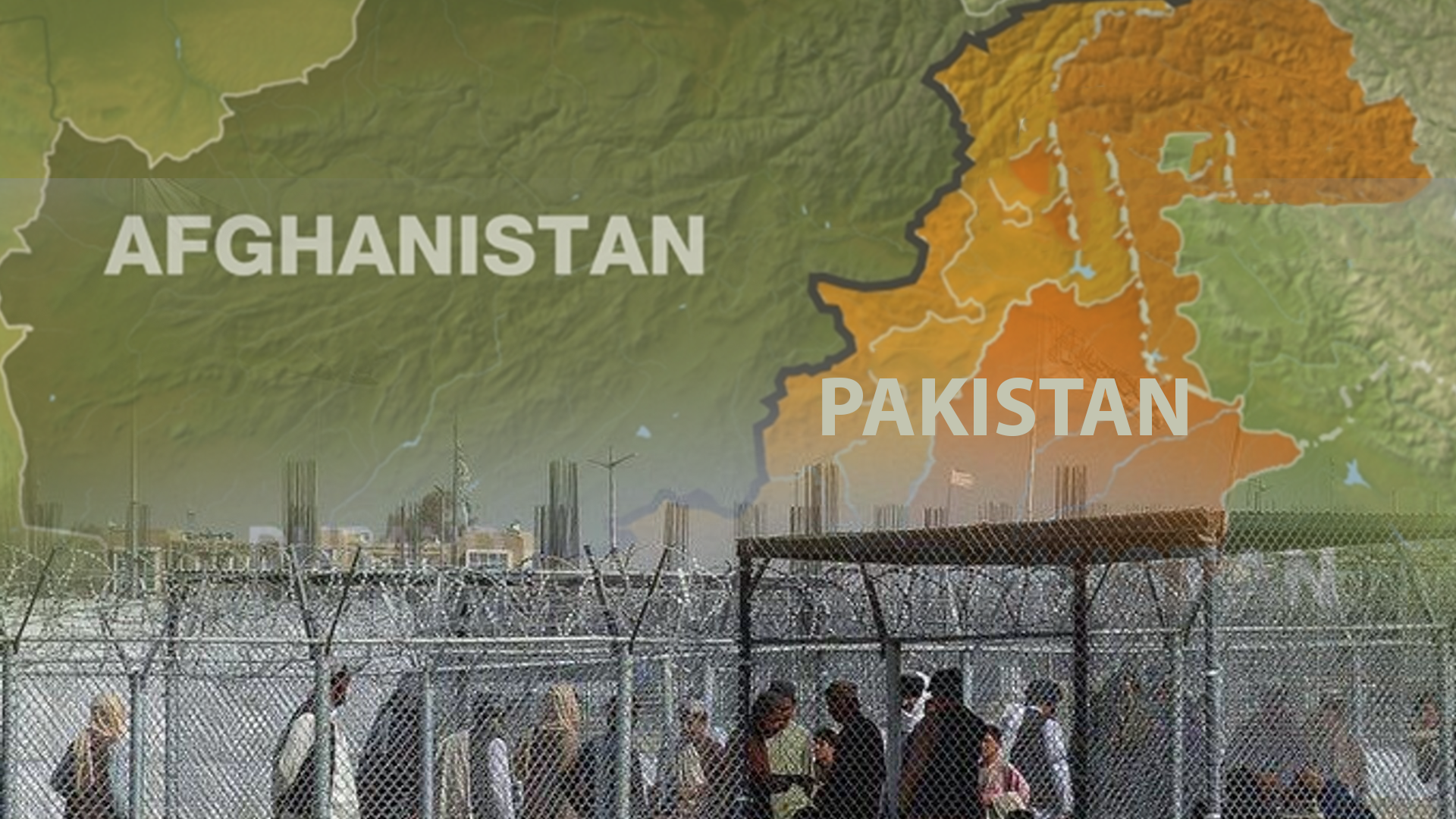
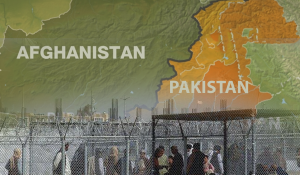
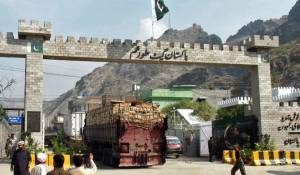
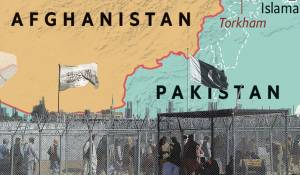
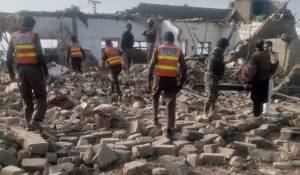
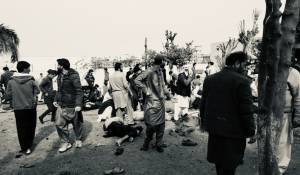
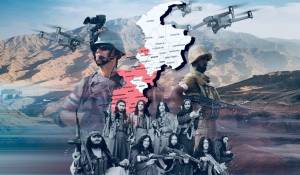
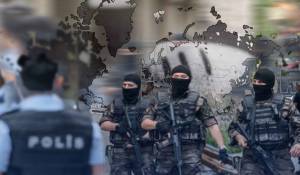
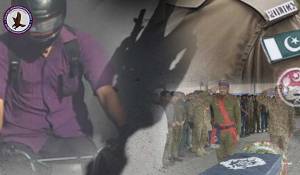
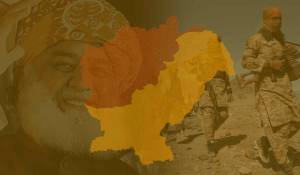
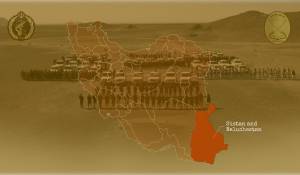
In the rugged corridors of the northwest, where the Durand Line has been trying to rebuild itself as a border for a decade and a half, it keeps bleeding like an unhealing wound. The silence of the night that has been shattered by the scream of jets and the low hum of loitering munitions. What exploded, wasn't a mere border skirmish; it was the violent culmination of a policy deadlock that has been simmering since the Taliban’s triumphant return to Kabul in 2021.
Operation Ghazab Lil Haq is being framed in Islamabad as a "strategic necessity," a realization and much needed clarity but in the valleys of Khost, Paktika, and Nangarhar, it is being read as the definitive end of the "brotherly" facade. In Islamabad the fraternal feelings died with every bombing and the silence of the Taliban. For years, Pakistan sought "strategic depth" in Afghanistan; today, it finds itself staring into a strategic abyss.
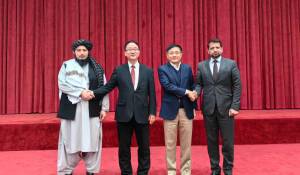
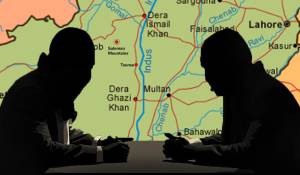
As dialogue resumes in Urumqi in the presence of the Chinese between Pakistan and Afghanistan, there is little hope for a strategic reset in relations but a workable relation till the Taliban remain de facto rulers is not out of question.
The Kinetic Calculus
The tactical successes Islamabad claims are undeniable. The degradation of TTP leadership and the destruction of logistics bases in Bagram and Kandahar provide a temporary reprieve for the bloodied streets of Bajaur and Bannu. Yet, the central question remains: can kinetic pressure solve a problem that is fundamentally rooted in the ideological and tribal DNA of the frontier?
Four Roads to the Horizon
As the smoke clears over the Khyber Pass, four distinct futures are emerging from the fog of war. These are not just academic projections; they are the high-stakes gambles of a state trying to secure its western flank while its eastern border remains a tinderbox.
1. The Fractured Emirate (The Optic of Victory)
In this scenario, the sheer weight of Pakistani air superiority forces a schism within the Taliban. The "pragmatists" in Kabul, fearing for the survival of their fledgling regime, finally move against the TTP "hardliners" to save their own skin. A 15km buffer zone is carved out—not by treaty, but by fire. It is the best-case scenario for Islamabad, but one that relies on the Taliban valuing governance over their "Jihadi" identity, a gamble that has failed many times before.
2. The Controlled Bleed (The Gritty Reality)
The most likely path is a "Cold Border Conflict." A stalemate where both sides, exhausted by the economic and human cost, accept a brokered silence. The TTP isn't dismantled; it is simply moved further inland, out of the immediate range of Pakistani artillery. The border remains a zone of "managed hostility “not quite at war, but never at peace.
3. The Proxy Quagmire (The Creeping Shadow)
Here, tactical wins fail to translate into strategic security. The TTP melts into the Hindu Kush, only to re-emerge in a thousand "cut-outs." The information war tilts toward Kabul, painting Pakistan as the aggressor. Islamabad finds itself pinned down, its resources drained, while regional spoilers watching from the East wait for the opportune moment to turn a border dispute into a national crisis.
4. The Twin-Front Trap (The Nightmare)
The worst-case scenario: the Taliban unifies under the banner of "resistance against invasion." The TTP and Afghan Taliban become completely indistinguishable. As Pakistan is forced into a meat-grinder ground invasion, the LoC begins to heat up. It is the ultimate strategic nightmare, a two-front war fueled by economic collapse and domestic unrest.
The Verdict of the Frontier
Islamabad must realize that the "Western Flank" cannot be secured by Hellfire missiles alone. The "signposts" are already there, etched in the diplomatic cables from Beijing and the defiant propaganda videos emerging from the TTP’s mountain redoubts.
If Pakistan is to emerge from this "strategic inflection point" with its security intact, it must move beyond the binary of war and peace. It must map the supply lines, understand the tribal grievances that feed the insurgency, and recognize that the Taliban’s "guerrilla resilience" is fueled by the very soil Pakistan is trying to sanitize.
The future of the border will not be written by chance. It will be written by whether Islamabad has the wisdom to match its will and whether it realizes that in the graveyard of empires, the only thing more dangerous than losing a war is winning one you cannot afford to sustain.